JOHN WILLIAM FOSTER is a parish dole charity for one small place — Horton-in-Ribblesdale, in the limestone country of the North Yorkshire Dales. The charity exists for a single purpose, set out in the original bequest of a man whose name we still bear: to give a little financial help, in money or in kind, to the parish's older widows and widowers and to neighbours the trustees know to be having a hard time. That is the whole of it. We have not added to that purpose, and we do not plan to.
The charity was first registered with the Charity Commission for England and Wales on 27 November 1963, under the working name Horton-in-Ribblesdale Dole Charities. The bequest itself is older — the parish papers note John William Foster's name among the small Victorian foundations that, by their own modest weight, kept hardship at bay in the upper Ribblesdale valley for decades before the welfare state caught up. The exact year of the founding gift is no longer clearly recorded in our own archive; we have transcribed the will-extract we hold and continue to look for the original document.
What we are not
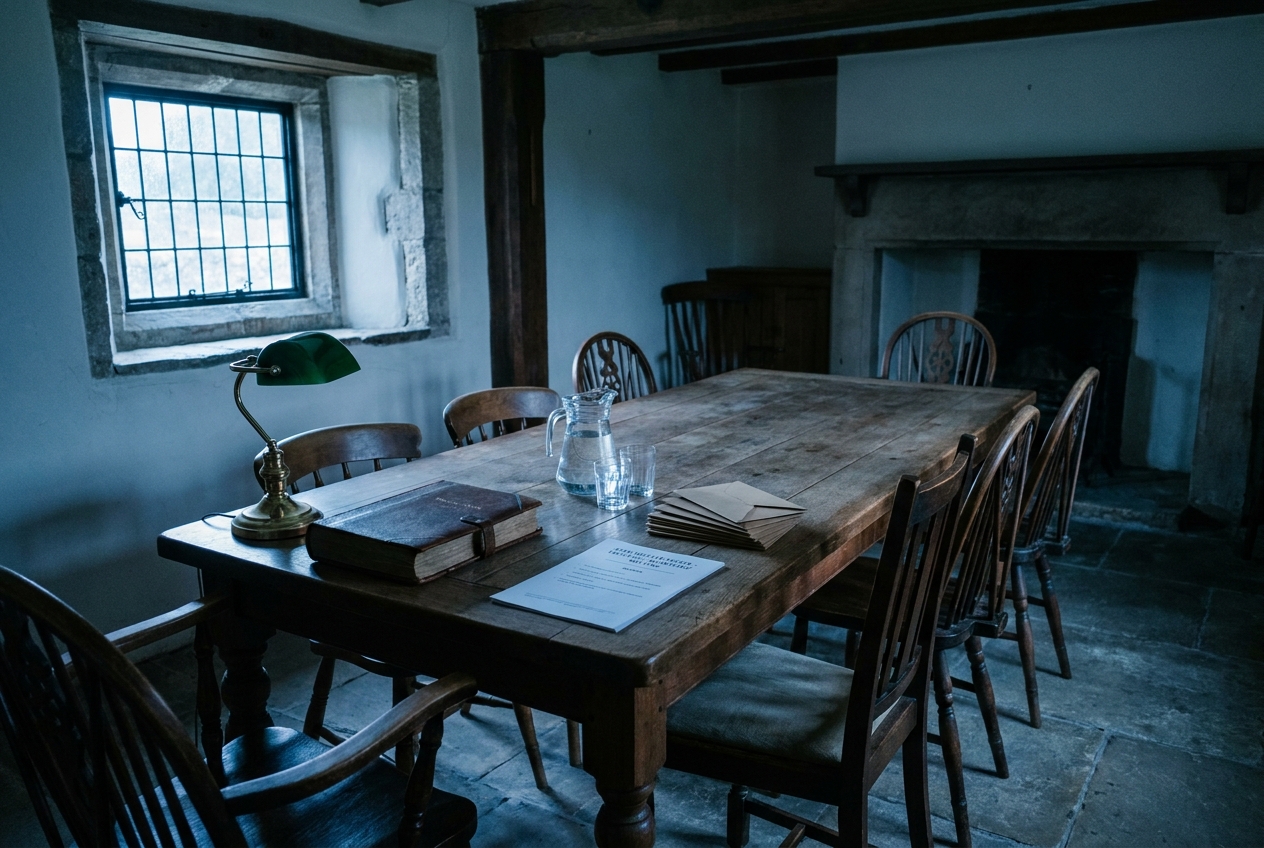
We are not a national charity. We are not a grant-maker in the modern sense. We do not have an office or a paid staff. We do not run programmes you can join from outside the parish. We do not publish glossy impact reports. The trustees meet four times a year around the long oak table at the back of the vestry at St Oswald's, the parish church, and the minutes are kept by hand in a leather-bound book that goes home with whoever takes a turn as secretary.
How we work
Each Advent, the trustees agree a short list of names. They are people the trustees already know — widows, widowers, and any neighbour the parish has told us is having a thin winter. We write envelopes for each of them, by hand, with a fountain pen. The envelopes are walked to the door by a trustee or by one of a small group of volunteer helpers who have been on our rota for years. The amount in each envelope is small. The visit, where it happens, often matters as much.
In February we make a second, smaller distribution called Winter Fuel Help. It is not formally listed in the original bequest, but the trustees agreed a long time ago that it sits within the spirit of it, and the Charity Commission has not objected to our quiet adaptation. Where a recipient heats their cottage with coal or logs, the Winter Fuel Help is often paid direct to the coal merchant in Settle.
The scale of it
Last year — for the financial year ending 31 December 2024 — our total income was £1,038 and our total expenditure was £971. We distributed £840 of that to fourteen households in the parish. Those are the real figures. We say so because charities our size sometimes feel pressed to make themselves sound bigger, and we want to be plain about what we are.
Our assets are very modest. We hold a small parcel of investment income that the trustees agreed many years ago should be left intact, so the dole continues to be available for our children's children. We also hold, on behalf of the charity, a single small parcel of land within the parish whose history is now mostly of antiquarian interest.
Governance
The charity is run by seven trustees, all of them volunteers, all of them with long ties to the parish. We meet at St Oswald's on the second Thursday of March, June, September and December at 19.00, after evensong. The Chair is currently David Maurice Gallivan, elected by his fellow trustees in 2002. We are not recognised by HMRC for Gift Aid — at our scale, the paperwork would cost us more than we would gain — though donors may, of course, claim where they pay tax.
Our accounts are filed annually with the Charity Commission for England and Wales. Because we sit well below the audit threshold for small charities, our accounts are independently examined rather than formally audited; the trustees have judged that this remains the appropriate standard for a charity of our size and risk.
We are not in a hurry to grow. We are in a hurry, if anything, to be sure the dole still reaches the right kitchen tables. — Trustees' minute, March 2023
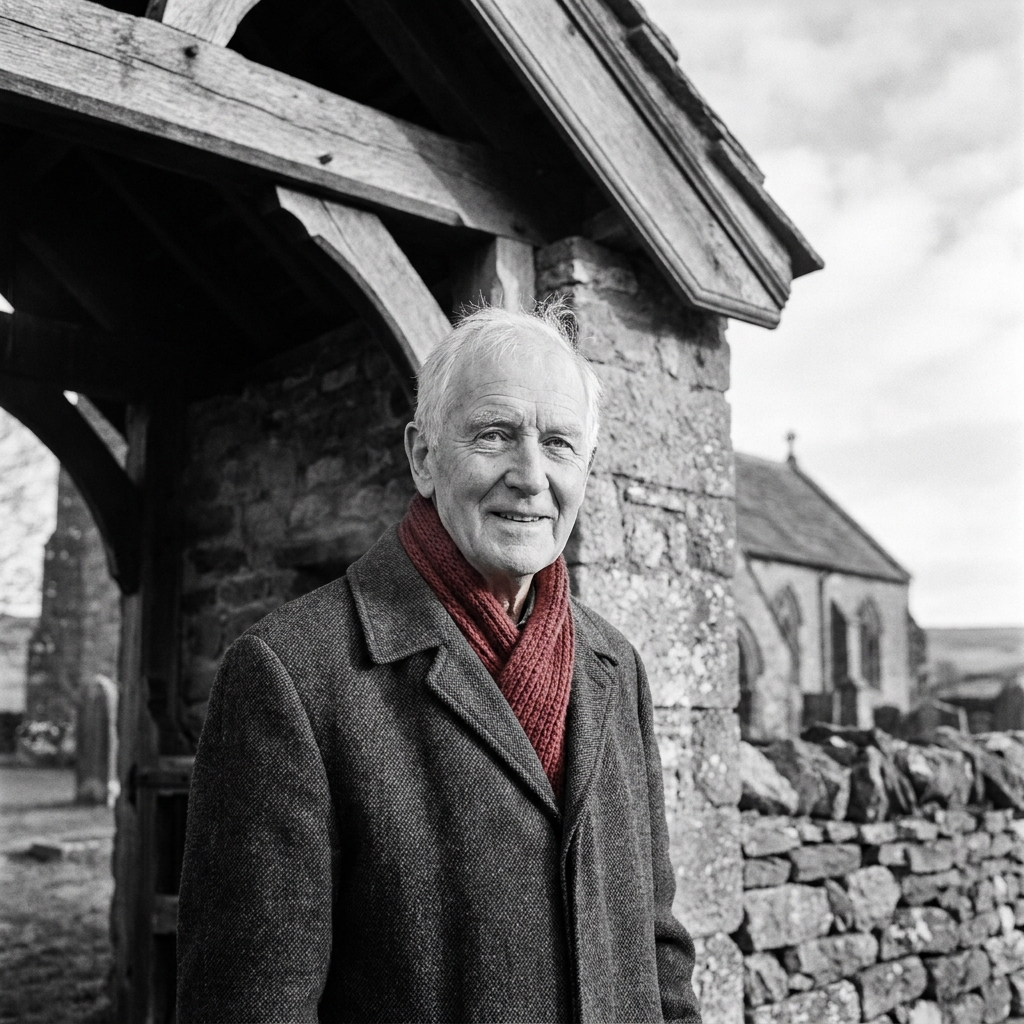
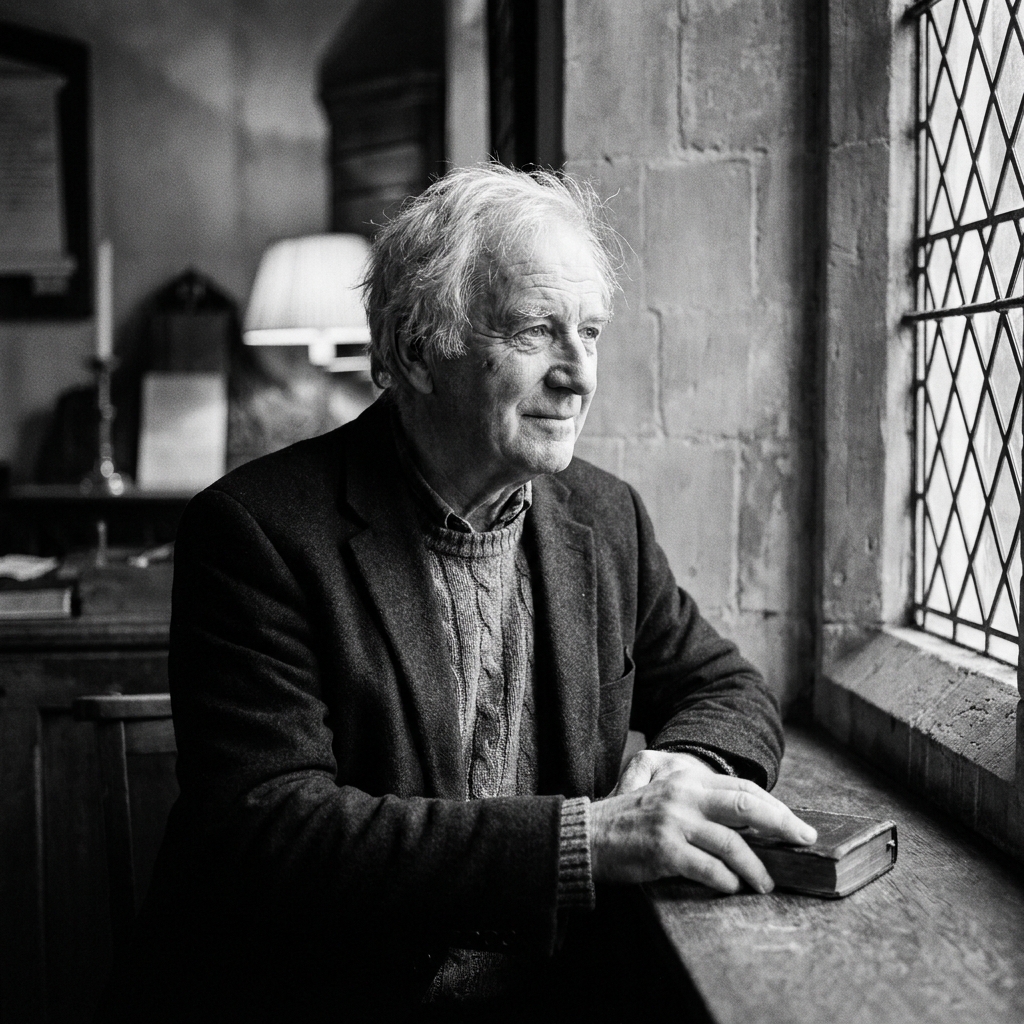
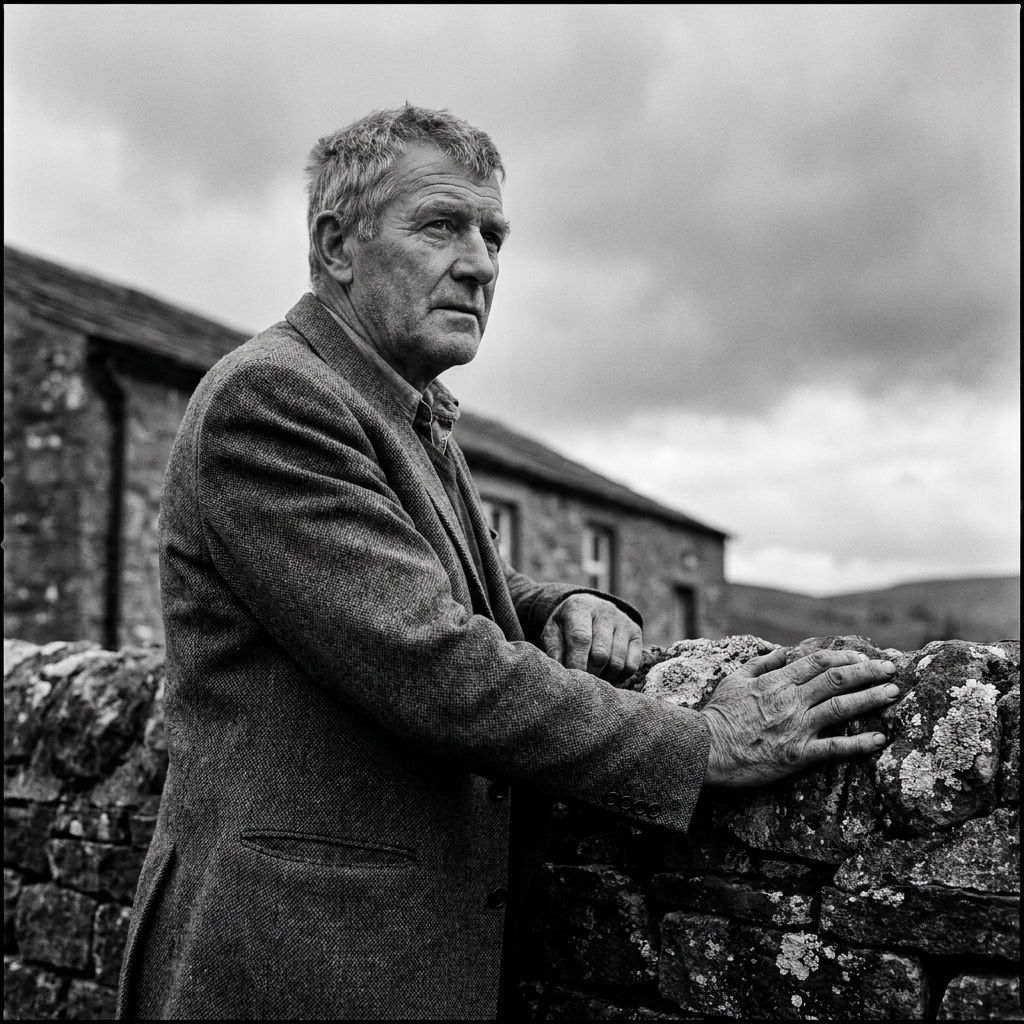
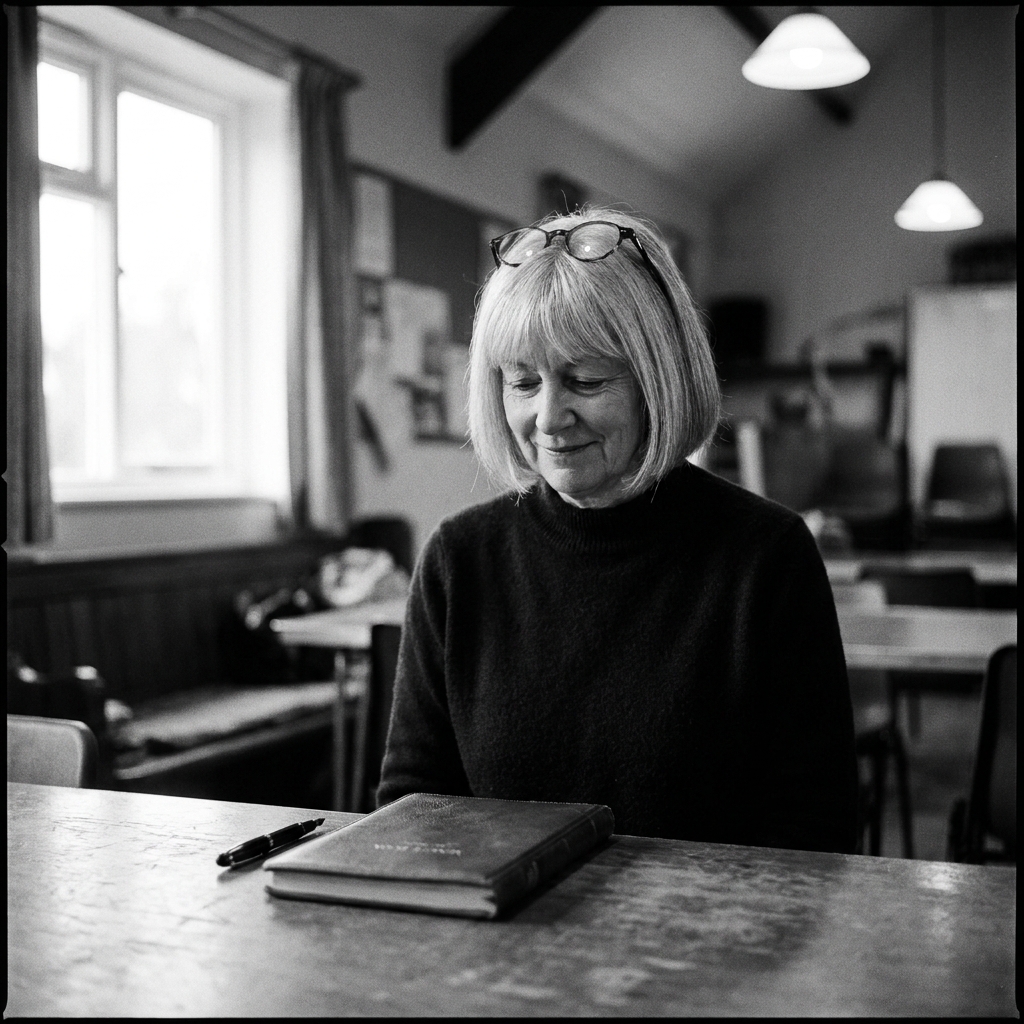
The remainder of this page sets out our history in a short timeline, introduces four of the trustees, and gives the headline figures from the most recent set of accounts. If you have a question this page does not answer, please write to [email protected] — we read every message ourselves.